🌲🔥A Global Call to Protect Our Forests and Wildlife
Every year, millions of hectares of forest are lost to wildfires, resulting in the death of countless animals and destruction of biodiversity. Climate change has made fire seasons longer and more intense. Robotics can be a game-changer in detecting, preventing, and responding to forest fires.
Below are practical robotic projects that can be developed or implemented to protect our planet:
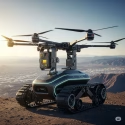
🚁 1. Autonomous Fire-Detection Drones
🔍 Purpose: Early detection of forest fires before they spread.
How it works:
- Equipped with thermal cameras, gas sensors, and AI-based smoke recognition.
- Drones patrol high-risk zones autonomously.
- Real-time data is sent to a central monitoring system via satellite or 4G/5G.
Components:
- GPS-enabled autonomous drone
- FLIR thermal camera
- Smoke/Gas detection module (e.g., MQ-2, MQ-7)
- AI algorithm for image and pattern recognition
Impact:
Early detection within 5-10 minutes can reduce fire damage by up to 80%.
🐞 2. Ground-Based Fire Monitoring Robot (FireBug)
🐾 Purpose: Patrols forest floors and detects abnormal heat or flames.
How it works:
- Moves on rugged terrain using 4WD or tracked chassis.
- Scans the environment with IR sensors, temperature probes, and cameras.
- Communicates wirelessly with emergency teams.
Key Tech:
- Arduino/Raspberry Pi + motor driver
- IR flame sensor module
- Thermal sensor (e.g., MLX90614)
- LoRa or Mesh communication modules
Use Case:
Can be deployed in protected parks or wildlife sanctuaries to patrol zones where humans can’t easily access.
🛰️ 3. Satellite-Guided Fire Prediction and Alert System
📡 Purpose: Predict potential fire outbreaks based on environment data.
How it works:
- Uses satellite data (temperature, humidity, wind, vegetation dryness).
- ML model predicts risk zones in real time.
- Sends alerts to nearby robotic agents or humans.
Tools Needed:
- Access to NASA/ESA satellite API (e.g., MODIS)
- Machine Learning platform (e.g., TensorFlow, EdgeML)
- Integration with alert apps or IOT sirens in forest cabins
Impact:
Can prevent fires before they start by guiding patrols and resource allocation.
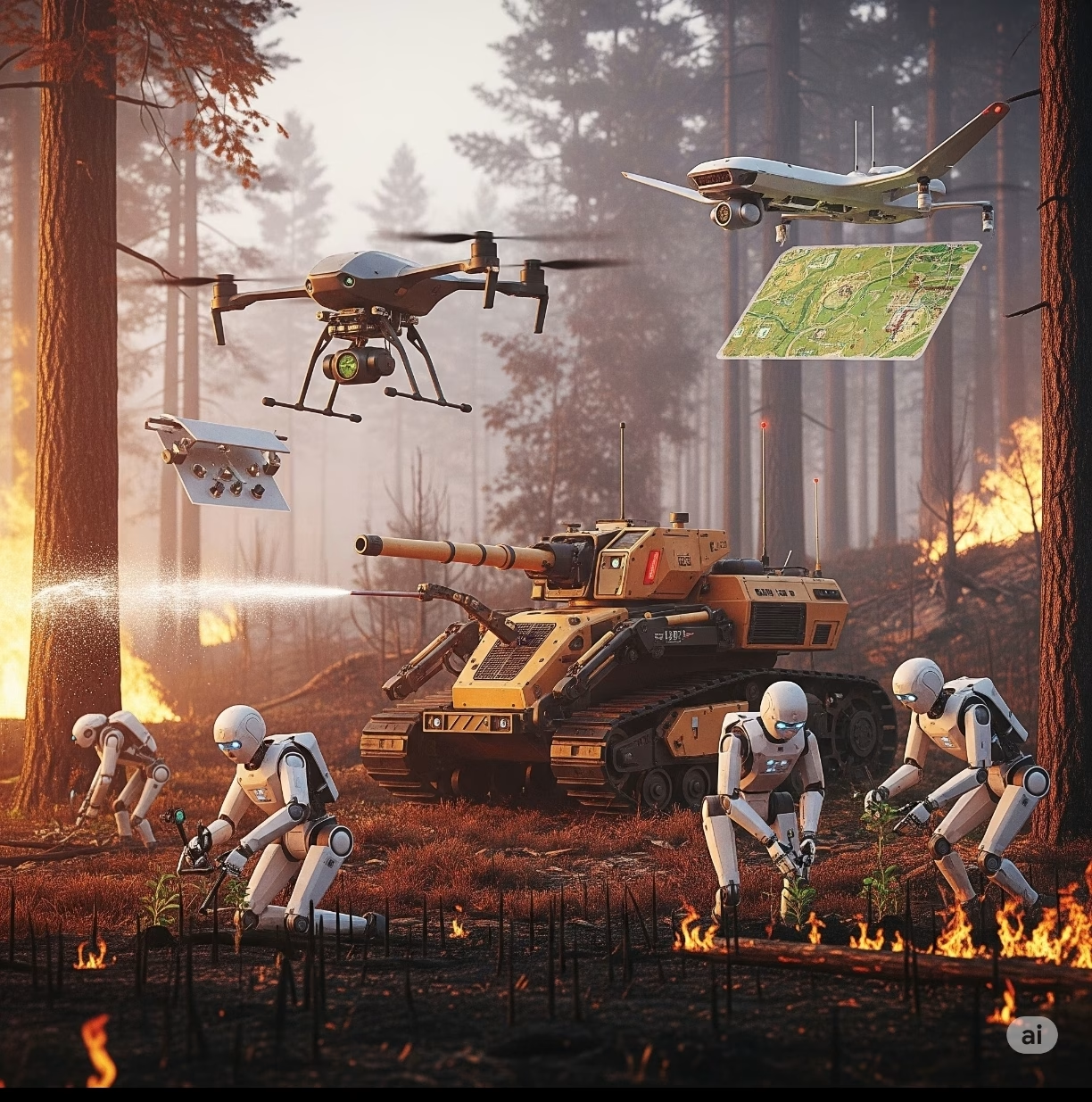
💧 4. Firefighting Robot Tank
🔥 Purpose: Suppresses small fires before they grow.
How it works:
- Armored robot with water cannon or fire retardant sprayer.
- AI navigation system targets flames directly.
- Can work autonomously or via remote control.
Equipment:
- Flame-resistant chassis
- Pressurized water tank + pump
- AI camera + fire detection
- Remote controller or Wi-Fi/4G access
Use Case:
Deployed in high-risk forests to serve as first response unit before fire trucks arrive.
🐦 5. Bio-Inspired Sensor Drones (The FireBird Project)
🧠 Purpose: Mimic bird behavior to monitor large territories naturally.
How it works:
- Swarm of small, bird-like drones that fly in patterns over forests.
- Communicate with each other like flocking birds.
- Share real-time sensory data (temperature, humidity, smoke) to form a heatmap.
Inspired by:
Swarm robotics and nature-inspired algorithms (e.g., Boids algorithm)
Applications:
Perfect for covering remote zones where satellites have limited view.
📚 Educational Use & Prototyping Ideas
Teachers, students, and makers can build small-scale models of these systems for STEAM education, science fairs, or disaster preparedness workshops:
- Line-following robots modified with flame sensors.
- DIY drone kits with basic IR cameras and smoke sensors.
- Raspberry Pi AI vision systems that recognize fire patterns using YOLO or MobileNet.
⚠️ Safety & Legal Disclaimer
These projects are for educational and prototyping purposes only.
Real-world deployment must comply with safety regulations, data privacy laws, and be approved by fire authorities. Always test in controlled environments before use.
🌍 Call to Action
Let us bring technology and nature together. These robotic solutions can save lives, wildlife, and the planet. Let’s support innovation, education, and action—before the forests are gone.