- The construction of humanoid robots involves several stages, each of which contributes to the development of a robot capable of mimicking human movement and interaction. The specific stages can vary depending on the design and purpose of the robot, but here is a general outline:
- Concept and Design:
- Define the purpose and goals of the humanoid robot.
- Create a conceptual design that includes the robot’s overall appearance, size, and capabilities.
- Consider the materials to be used, the range of motion required, and any specific features needed for the intended tasks.
- Mechanical Design:
- Develop a detailed mechanical design that includes the robot’s skeletal structure, joints, and actuators.
- Choose materials for the robot’s body that are both durable and lightweight.
- Consider the range of motion required for each joint and the overall flexibility of the robot.
- Actuators and Sensors:
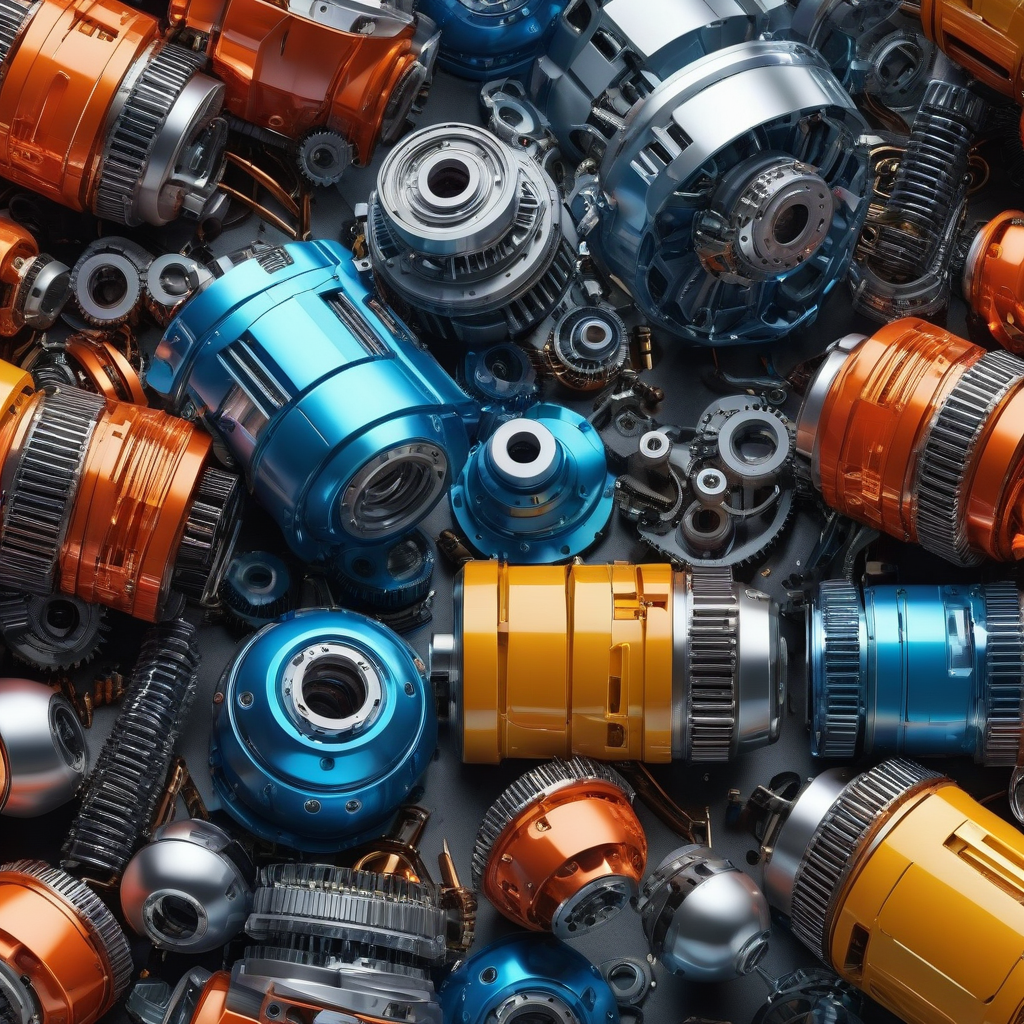
- Select and integrate actuators (motors or servos) to control the movement of each joint.
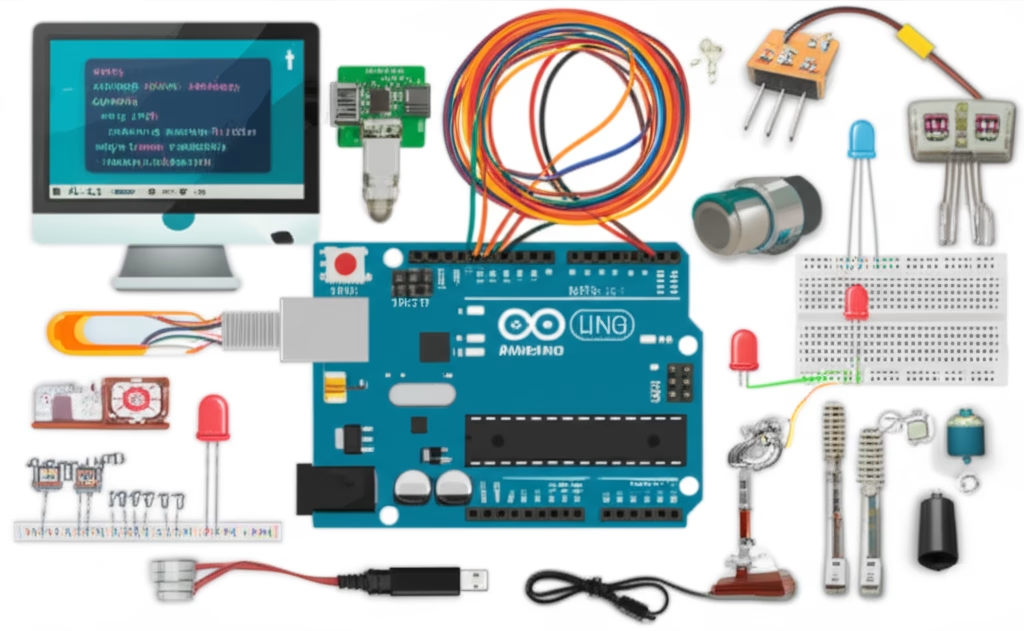
- Incorporate sensors to provide feedback on the robot’s position, orientation, and interaction with the environment.
- Ensure that the sensors and actuators work together seamlessly for accurate and responsive movements.
- Control System:
- Develop a control system that processes sensory input and generates commands for the actuators.
- Implement algorithms for motion control, balance, and coordination.
- Test and refine the control system to ensure accurate and smooth movements.
- Power Supply:
- Determine the power requirements of the robot and integrate a suitable power supply system.
- Consider factors such as battery life, rechargeability, and power distribution throughout the robot’s body.
- Software Development:
- Develop software to control the robot’s movements, interactions, and responses.
- Implement artificial intelligence (AI) algorithms for tasks such as object recognition, speech recognition, and decision-making.
- Create a user interface if the robot is designed for human interaction.
- Assembly:
- Assemble the physical components of the robot according to the mechanical design.
- Connect the actuators, sensors, and other electronic components.
- Test each joint and subsystem to ensure proper functionality.
- Testing and Iteration:
- Conduct extensive testing to identify and address any mechanical or software issues.
- Iterate on the design and software based on testing feedback to improve performance and reliability.
- Integration and Calibration:
- Integrate all components and ensure they work together seamlessly.
- Calibrate sensors and actuators to optimize performance.
- Fine-tune the control system to achieve the desired level of precision and accuracy.
- Deployment:
- Once the humanoid robot passes all tests and meets the design criteria, it can be deployed for its intended tasks.
- Throughout these stages, interdisciplinary collaboration between mechanical engineers, electrical engineers, computer scientists, and other specialists is crucial to the successful development of humanoid robots. Additionally, advancements in technology and research can lead to continuous improvements and refinements in the construction process.
- Artificial Intelligence and Learning:
- Develop and integrate AI algorithms for machine learning and adaptation. This involves programming the robot to learn from its interactions and improve its performance over time.
- Implement computer vision systems for object recognition and tracking, allowing the robot to understand and respond to its environment.
- Human-Robot Interaction (HRI):
- If the humanoid robot is designed for human interaction, special attention is given to HRI aspects.
- Design and implement natural language processing systems for speech recognition and generation.
- Develop expressive features, such as facial expressions and gestures, to enhance communication with humans.
- Safety Measures:
- Implement safety features to ensure the well-being of both the robot and its surroundings.
- Integrate sensors and algorithms for collision detection and avoidance.
- Develop emergency shutdown procedures and fail-safe mechanisms to prevent accidents.
- Durability and Environmental Adaptation:
- Ensure the robot’s durability and resistance to wear and tear, especially if it is intended for long-term use.
- Consider environmental factors such as temperature, humidity, and terrain, and design the robot to operate effectively under different conditions.
- User Interface Design:
- If the humanoid robot is intended for consumer or industrial use, design an intuitive and user-friendly interface.
- Develop control mechanisms that allow users to easily program, command, or interact with the robot.
- Mobility and Locomotion:
- If the robot is mobile, design an efficient and stable locomotion system.
- Implement walking, crawling, or wheeled mechanisms based on the robot’s intended environment and tasks.
- Consider dynamic balance control to ensure the robot can navigate uneven surfaces.
- Feedback Mechanisms:
- Incorporate feedback mechanisms to enhance the user experience and improve the robot’s performance.
- Provide visual, auditory, or haptic feedback to indicate the robot’s status, actions, or response to user commands.
- Customization and Upgradability:
- Design the robot with modularity in mind, allowing for easy upgrades or customization of components.
- Provide software interfaces and development tools to encourage the development of third-party applications and functionalities.
- Ethical Considerations:
- Address ethical considerations associated with humanoid robots, including privacy concerns, security issues, and potential societal impact.
- Develop and adhere to ethical guidelines that govern the use and behavior of the robot in various contexts.
- Continuous Improvement:
- Plan for ongoing maintenance, updates, and improvements based on user feedback and technological advancements.
- Stay informed about the latest research and developments in robotics to incorporate cutting-edge technologies into future iterations.
The construction of humanoid robots is a dynamic and evolving field, and each project may have unique requirements and challenges. The interdisciplinary nature of robotics involves collaboration between experts in mechanical engineering, electrical engineering, computer science, AI, and other fields to create advanced and capable machines.
- Concept and Design:
- Concept: A humanoid robot that can perform household chores such as cleaning, fetching items, and providing simple assistance.
- Design: A human-sized robot with a lightweight exoskeleton, multiple joints for flexibility, and a set of grippers for object manipulation.
- Mechanical Design:
- Develop a detailed blueprint for the robot’s skeletal structure, incorporating lightweight materials like aluminum alloys.
- Specify servo motors for each joint to enable precise and coordinated movements.
- Actuators and Sensors:
- Select torque-controlled servo motors for joint movements.
- Integrate sensors such as cameras, ultrasonic sensors, and touch sensors for environment perception and interaction.
- Control System:
- Develop a control system with algorithms for basic motion control, obstacle avoidance, and simple task planning.
- Program the robot to recognize common household objects through computer vision.
- Power Supply:
- Integrate a rechargeable battery system, considering the robot’s energy consumption during typical household tasks.
- Software Development:
- Implement software for basic movement patterns, object recognition, and a simple user interface.
- Develop algorithms for the robot to learn and adapt to new tasks through reinforcement learning.
- Assembly:
- Assemble the robot components according to the design, connecting joints, actuators, and sensors.
- Perform initial tests to ensure each joint functions correctly.
- Testing and Iteration:
- Test the robot’s movements in controlled environments, refining algorithms for smoother motion.
- Iterate on the design based on testing feedback, adjusting joint tolerances and improving sensor accuracy.
- Integration and Calibration:
- Integrate software and hardware components, calibrating sensors for optimal performance.
- Fine-tune the control system to ensure the robot can execute tasks accurately.
- Deployment:
- Deploy the humanoid robot in a real-world household environment to perform basic tasks.
- Gather user feedback to identify areas for improvement.
- Human-Robot Interaction (HRI):
- Enhance the robot’s speech recognition and generation capabilities for better communication with users.
- Implement expressive features such as LED lights for signaling and a simple touchscreen for user input.
- Safety Measures:
- Integrate collision detection sensors to prevent the robot from bumping into objects or people.
- Implement emergency stop features in case of unexpected situations.
- Durability and Environmental Adaptation:
- Ensure the robot’s durability for daily use in a typical home environment.
- Program the robot to adapt to different floor surfaces and navigate around common obstacles.
This example provides a simplified overview of the construction stages for a household-assistant humanoid robot. In reality, the development process would involve more detailed engineering, extensive testing, and iterative refinement to create a functional and reliable robotic system.
Boston Dynamics is a robotics company known for its advanced and dynamic robots. While I don’t have real-time information beyond my last training cut-off in January 2022, as of then, Boston Dynamics had been involved in the development of various robots, including both humanoid and quadrupedal robots. Here’s a general overview of the construction stages based on their typical development processes:
- Concept and Design:
- Identify the specific tasks and applications the robot will be designed for.
- Develop a conceptual design considering the robot’s form factor, mobility, and functionality.
- Mechanical Design:
- Create detailed mechanical designs that include the robot’s body structure, joints, and mobility mechanisms.
- Utilize materials such as aluminum and carbon fiber for durability and weight optimization.
- Actuators and Sensors:
- Integrate advanced actuators like electric motors or hydraulics for precise and dynamic movements.
- Implement a variety of sensors, including cameras, LIDAR, and IMUs (Inertial Measurement Units), to enable environmental perception and navigation.
- Control System:
- Develop a sophisticated control system with algorithms for balance, dynamic movement, and responsiveness.
- Implement feedback control loops for real-time adjustments based on sensor data.
- Power Supply:
- Integrate power systems, often involving advanced batteries or power-dense solutions to support the robot’s dynamic movements.
- Software Development:
- Create software for high-level tasks, such as path planning, obstacle avoidance, and manipulation.
- Develop machine learning algorithms for perception and decision-making in dynamic environments.
- Assembly:
- Assemble the robot’s mechanical and electronic components according to the detailed design.
- Conduct extensive testing of individual joints and subsystems.
- Testing and Iteration:
- Perform thorough testing, including simulations and real-world trials, to identify and address any mechanical or software issues.
- Iterate on the design and software to improve performance and reliability.
- Integration and Calibration:
- Integrate all the components into a cohesive system, ensuring proper calibration of sensors and actuators.
- Fine-tune the control system to optimize the robot’s performance.
- Deployment:
- Deploy the robot for specific tasks or applications, whether in research, industrial, or commercial settings.
- Continuous Improvement:
- Gather data from real-world usage to inform continuous improvement.
- Develop and release software updates to add new features, enhance performance, or address any discovered issues.
Boston Dynamics’ robots, like Spot and Atlas, are designed for various applications, including industrial automation, research, and potentially hazardous environments. The company has been at the forefront of robotics development, and their robots showcase advanced capabilities in terms of mobility, dexterity, and adaptability. Keep in mind that the specifics of their development processes and the stages involved might evolve with each new robot they introduce.
As of my last knowledge update in January 2022, Boston Dynamics has been known for using a combination of advanced materials, sensors, actuators, and control systems in the construction of their robots. Keep in mind that the specific technologies and components used by Boston Dynamics may evolve over time with each new iteration of their robots. Here is a general overview of the key parts and technologies used in Boston Dynamics’ robots:
- Materials:
- Aluminum and Carbon Fiber: Boston Dynamics often employs lightweight and durable materials like aluminum and carbon fiber for the structural components of their robots. This helps to achieve a balance between strength and weight, crucial for dynamic movements.
- Actuators:
- Electric Motors: Many Boston Dynamics robots use electric motors as actuators for precise and dynamic movement. These motors are often designed to provide high torque and quick response times.
- Hydraulic Actuators: Some of their larger robots, like the Atlas, have used hydraulic actuators, offering significant strength and power for more robust movements.
- Sensors:
- Cameras: Vision systems, including cameras and depth sensors, are integrated for environmental perception, object recognition, and navigation.
- LIDAR (Light Detection and Ranging): LIDAR sensors are commonly used for mapping the environment and obstacle detection.
- IMUs (Inertial Measurement Units): These sensors measure acceleration and angular velocity, contributing to the robots’ understanding of their own movement and orientation.
- Control Systems:
- Sophisticated Control Algorithms: Boston Dynamics employs advanced control algorithms to achieve dynamic and responsive movements, including balance control for bipedal robots.
- Feedback Control Loops: Real-time feedback from sensors is used to adjust and control the robot’s movements, ensuring stability and accuracy.
- Power Systems:
- Advanced Batteries: The robots typically use advanced battery systems to power their electric motors or other actuators. These batteries are designed to provide sufficient power for dynamic movements.
- Software:
- Motion Planning Algorithms: Software algorithms are developed for motion planning, enabling the robots to navigate complex environments and perform specific tasks.
- Machine Learning: Some Boston Dynamics robots incorporate machine learning algorithms for perception, decision-making, and adapting to different tasks and environments.
- Customized Joints and Mechanisms:
- The design often includes specialized joints and mechanisms that mimic or enhance human or animal movements, contributing to the overall agility and versatility of the robots.
Boston Dynamics is known for pushing the boundaries of robotics technology, and their robots showcase a combination of hardware and software innovations. For the most up-to-date and specific information, it’s recommended to refer to the latest documentation and announcements from Boston Dynamics Web Site.